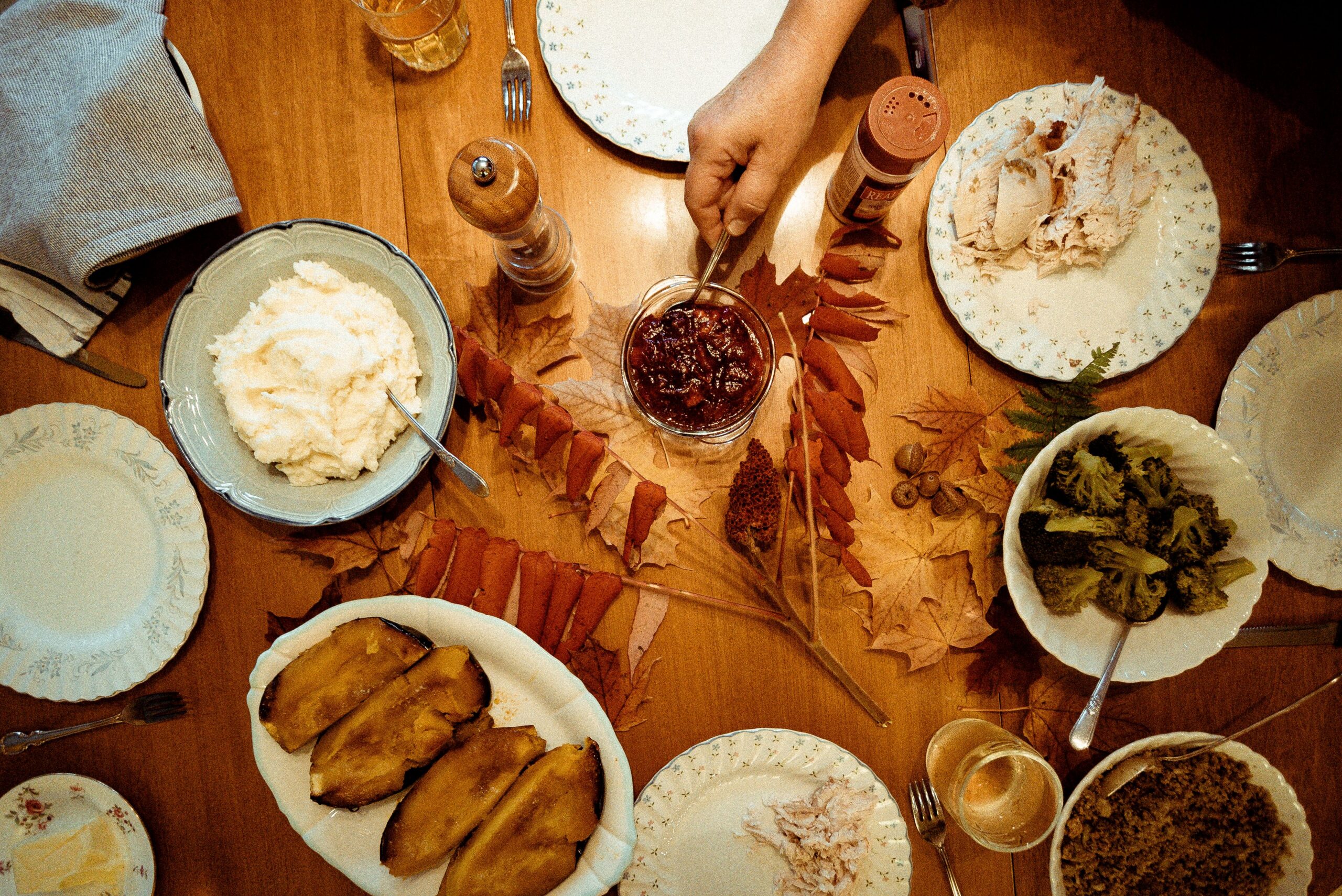
My wife and I are what some might call “rural life enthusiasts.” I suppose it’s a “thing”; at least that’s what we’re told. We keep bees, an orchard, gardens, and such. We built a smokehouse, can food, boil our own maple syrup, and process our own venison, but not out of necessity. We embraced these things because we find them gratifying and enjoyable, even restorative. They also ground us and connect us more closely to the basic stuff of life: the seasons, the earth, the weather, nature. Years ago, we were introduced to the writing of the late Wendell Berry, a Christian writer and agrarian thinker who shared a way of life and thinking long past for most Americans in the modern society we now live in. He told us great stories about realistic people living realistic lives in a fictitious farming community called Port William. He wrote poetry that captured the beauty of nature, farm life, and human relationships. He outlined a philosophy of life, lived in connection with the Earth from a Christian perspective and rooted in conscious creationism. If you haven’t read his stuff, find it and enjoy it. The country could use a little more Wendell Berry these days.
In the modern world we live in, we are removed from raising and producing our food. It’s hard to imagine the deep connections that generations past had to these things. We buy our food in markets, stripped of all the labor required to plant, raise, feed, harvest, slaughter, and process what we eat. Most of us could live our lives eating very well without ever contemplating how weather conditions may have impacted the menu. We consume our meals in relative luxury. This cannot help but impact the degree and nature of our gratitude. Our thankfulness is profoundly affected by how aware we are of, and how much we participate in, the work of sustaining life through food, water, and shelter, keeping it safe from the elements and harm. The further we are removed from the work of securing what we need to survive, the more our Thanksgiving and gratitude change. The answer is not necessarily for us to change our lifestyles and become farmers ourselves. Perhaps we would do well just to raise our own levels of awareness. Perhaps, if we contemplated what it took to produce the things that sustain life, we might be moved to a greater sense of gratitude. We might find ourselves being truly thankful. We might find ourselves seeing and experiencing life more richly and robustly.
Of course, much about the world we live in concerns us, discourages us, and may even cause us to despair. But the act of pausing to think about the things for which we are grateful, where they came from, and what sacrifices they may have required has a way of putting things in perspective. The simple act of saying grace helps. Maybe we could add to our grace a prayer of thanksgiving for the farmers and ranchers who raised and grew the food we are eating and those who work in the fields and the food industry, cleaning and processing the fish, meat, and vegetables we consume.
There is an old Thanksgiving hymn written by Henry Alford in 1844. Christians have sung it for generations, celebrating and giving thanks for the autumn harvest. The words are powerful and profound. I have been thinking on them this season, and I believe they might actually lead us to a greater appreciation and a greater degree and depth of thanksgiving this holiday—whether we garden, farm, or simply enjoy the fruits of the labors of others. I share them with you here now for your reading and reflection.
Come, ye thankful people, come,
raise the song of harvest home;
all is safely gathered in,
ere the winter storms begin.
God our Maker doth provide
for our wants to be supplied;
come to God’s own temple, come,
raise the song of harvest home.
All the world is God’s own field,
fruit as praise to God we yield;
wheat and tares together sown
are to joy or sorrow grown;
first the blade and then the ear,
then the full corn shall appear;
Lord of harvest, grant that we
wholesome grain and pure may be.
For the Lord our God shall come,
and shall take the harvest home;
from the field shall in that day
all offenses purge away,
giving angels charge at last
in the fire the tares to cast;
but the fruitful ears to store
in the garner evermore.
This article was originally published in-print in the Bucks County Courier Times on November 22, 2026.