We asked four Cairn University faculty to recommend either a book they are currently reading or a previously read book that they believe all Christians should read. Here are there responses:
Dr. Bryan Murawski, Associate Professor, School of Divinity
The Pentateuch as Narrative: A Biblical-Theological Commentary by John H. Sailhamer
“I just finished reading John Sailhamer’s The Pentateuch as Narrative: A Biblical-Theological Commentary. It’s not a new book but an old classic! Sailhamer writes about the Pentateuch from a literary and theological perspective. He consistently points out some incredible connections between passages, rooted in the language of the text, that made reading these first five books of the Bible even more enjoyable. His introduction walks through his approach in reading the Bible, which takes Scripture seriously and considers the final form of the text and the intent of the biblical author(s). I found the book refreshingly challenging and learned a great deal in my reading. The section on Genesis alone is worth the price of the book!”
Dr. Lynelle Buchanan, Director of Online Counseling Programs
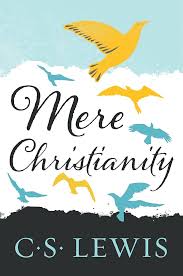
Mere Christianity by C.S. Lewis
“It was over three decades ago that I picked up Mere Christianity by C.S. Lewis for the first time. Today, my copy is well-loved, with a broken spine and worn edges to the pale blue cover. I think it was the first Lewis book I read, and I was richly impacted by his logical articulation of foundational tenets of the Christian faith. I also found it richly practical to my personal and ministry goals.
“Lewis points to some inescapable evidences of God, like the moral law he has written on the human heart, and he warns of the pitfalls of pride. He unfolds iconic analogies, including God rebuilding us from a ‘decent little cottage’ into a ‘palace’ for himself to live in, and the idea that ‘Every Christian is to become a little Christ. The whole purpose of becoming a Christian is simply nothing else.’ In a world desperately seeking meaning, conformity to the image of Christ is the ultimate existential motivation. If you haven’t read this one, or haven’t read it in a while, here is my subtle nudge.”
Dr. Stephen Dill, chair, EdD in Educational Leadership
The Steward Leader: Transforming People, Organizations and Communities by R. Scott Rodin
“I have read many outstanding leadership books over the years, but this classic book by Dr. Scott Rodin is the one that has influenced me the most. It is not a ‘how’ book but a ‘who’ book. He essentially says that ‘How to provide more effective leadership?’ is the wrong question to ask, and a better question is ‘How can we be more Christlike as we lead?’ A major point in the book is the difference between being a steward vs. an owner. ‘True Christian leadership is an ongoing practice of becoming a person of no reputation and, thus, becoming more like Christ.’ Rodin digs deeply into character, distinguishing between ‘God confidence’ and self-confidence: ‘The lure of self-reliance is insidious throughout leadership studies.’ Particularly applicable to educational leaders: ‘A leader receives both undue criticism for the failures of our institution and unrestricted praises for their success. The true calling of leadership requires us to accept the former and deflect the latter.’ One shouldn’t read this book until ready to take a deep look into your leadership motivations.”
Charlotte Gleason, Chair of Humanities
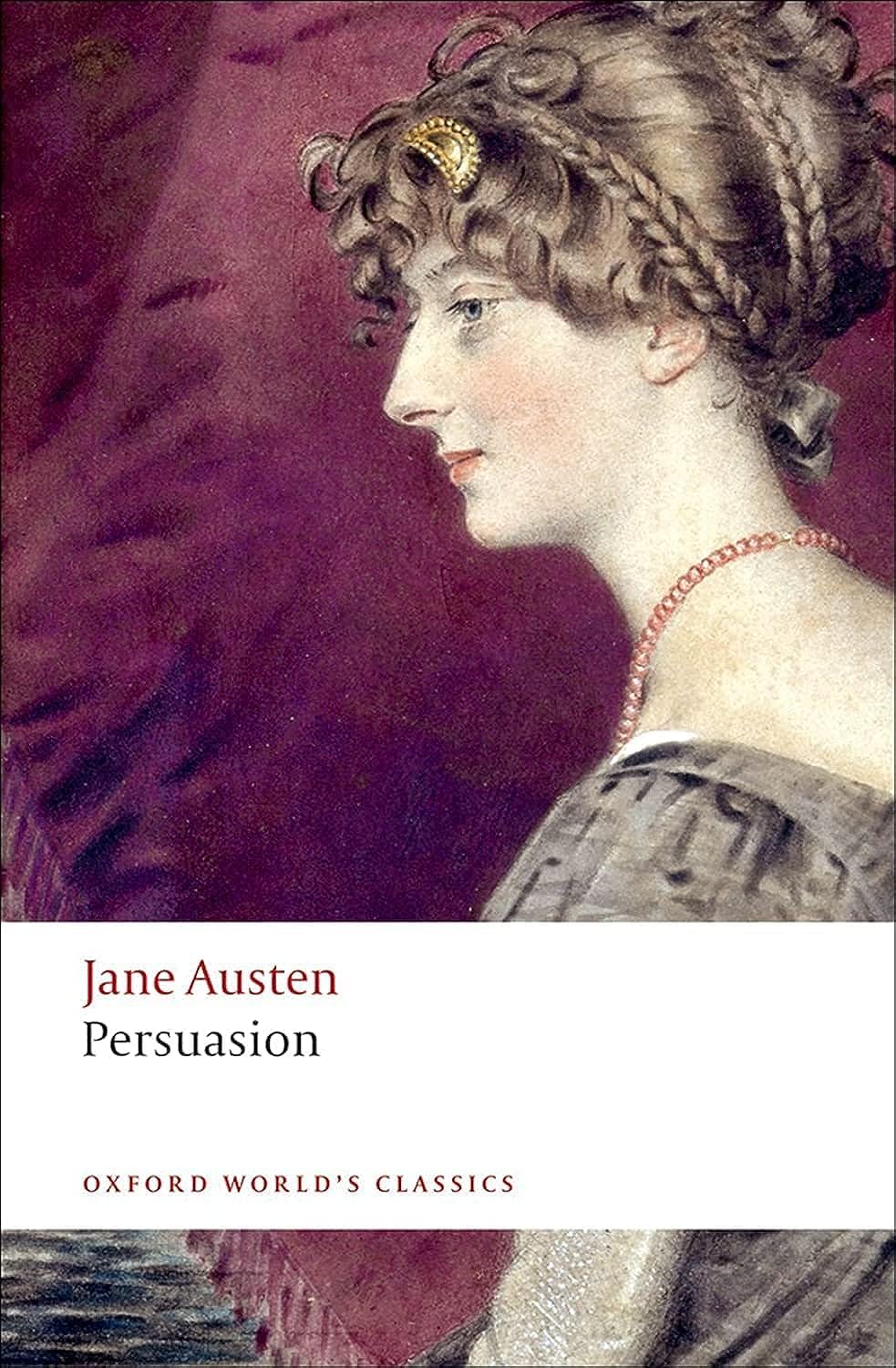
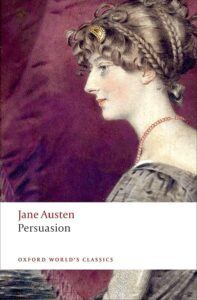
Persuasion by Jane Austen
“I realize the English-teacher-cliché I’m confirming with my recommendation, but I recently listened to Jane Austen’s Persuasion. I’d read the work several years ago to prepare for a course, but I decided to experience hearing it read aloud and, of course, in a British accent. This Regency era novel follows the story of Anne Elliot and the repercussions of her broken engagement to Captain Wentworth. Anne’s steady character and kindness is contrasted with her family, a comedic (and sometimes scathing) representation of vanity and affectation. Like many of Austen’s main characters, we are inspired by Anne’s moral compass and the humility with which she acknowledges her own faults. We’re asked to consider our own relationship with persuasion. Do we conform out of weakness, resist out of pride, or contemplate with prudence? Austen challenges us, but she also does so in prose that reminds us of the good and beautiful.”